An Overview of English and Welsh Vineyards
The Rise of Vineyards in England and Wales
The journey of English and Welsh vineyards is a captivating tale of transformation and evolution. With a history dating back to Roman times, vine cultivation had been a dormant affair for centuries before experiencing a remarkable resurgence. This renaissance was spurred on by advances in viticulture, climate change, and a burgeoning passion for local produce. The result? A thriving wine industry, proving skeptics wrong with every vintage released.
Today, these vineyards are lauded for their sparkling and still wines, which have gained an impressive reputation on the international stage. The variety of soils, including chalky and limestone-rich land, mirrors that of the esteemed wine regions of France, offering ideal conditions for growing grapevines. Not to be outshone, Wales, with its unique microclimates, has contributed to this boom, producing wines with distinct character.
As wine tourism flourishes, visitors flock to the region, eager to explore the lush vineyards and sample the local vintages. Many find accommodation in charming locales nearby to fully immerse themselves in the experience. For instance, the silurian hotel newport provides a comfortable stay for those wishing to discover the wonders of Welsh viticulture and the surrounding countryside.

Notable Varieties and Winemaking Techniques
The vines that flourish in the English and Welsh soils are a diverse mix, with a notable focus on varieties that thrive in cooler climates. Chardonnay, Pinot Noir, and Bacchus are amongst the stars, each bringing its flavor profile and zest to the wines they produce. Biodynamic farming and organic practices are gaining traction, underscoring a commitment to sustainability and quality.
A Taste of the Landscape: Wine Tours and Tastings
From boutique estates to larger-scale operations, vineyard tours and tastings have become stellar attractions. Visitors are invited to learn about the winemaking process, from vine to glass, while exploring the scenic grounds that have inspired poets for generations. Such experiences are not just educational; they offer a sensory journey complemented by the tranquility of the surrounding countryside.
Exploring the Best Vineyards: A Guided Tour
Plunge into the wine-loving culture with a guided tour of some illustrious English and Welsh vineyards. These tours often encompass a walk through the vines, a peek into the winery's production area, and, of course, a tutored tasting session. The opportunity to meet the vintners adds a personal touch, enveloping guests in the passion and expertise that fuel this flourishing industry.
Wine Festivals and Events
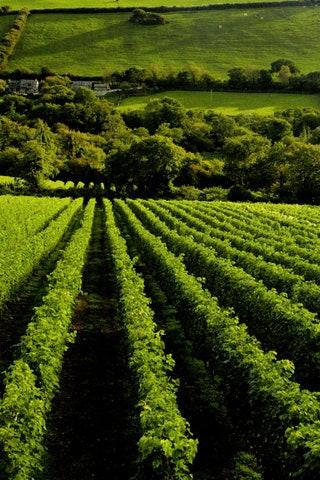
Vineyards frequently play host to festivals and events, celebrating the harvest and the community. These gatherings are perfect for connoisseurs and casual wine enthusiasts alike, offering music, food pairings, and the chance to discover new favorites in a festive atmosphere.
Visiting Tips and Best Times to Go
The best time to visit English and Welsh vineyards is from late spring to early autumn when the weather is conducive to outdoor exploration. To ensure a personalized experience, consider booking in advance, especially for smaller venues. Don't forget to check the calendar for any special events that may be taking place during your visit.
English and Welsh Vineyards by the Numbers
Vineyard Count | Total Vineyard Area (hectares) | Annual Wine Production (bottles) | Notable Grape Varieties | Popular Wine Types |
|---|---|---|---|---|
700+ | 3,500+ | Approx. 10 Million | Chardonnay, Pinot Noir, Bacchus | Sparkling, White, Rosé |
150+ | 1,000+ | Approx. 5 Million | Seyval Blanc, Pinot Gris | Sparkling, White |
.. | .. | .. | .. | .. |
.. | .. | .. | .. | .. |
Step by Step Guide to Planning a Vineyard Visit
Research and Select: Start with research on various vineyards to identify which ones spark your interest, taking note of the wines they offer and the experiences they provide.
Check Timings: Look up the best times to visit and check the vineyard’s opening days and hours. Spring to autumn are generally the best seasons for a visit.
Book in Advance: Once you've selected your vineyard, book your tour or tasting session in advance, especially if you're aiming for a weekend or a special event.
Plan Your Journey: Determine the best way to reach the vineyard, be it by car, public transportation, or as part of an organized tour.
Dress Appropriately: Outfits should be comfortable and weather-appropriate. Consider walking shoes for tours and a hat for sunny days.
Stay Nearby: To fully savor the experience, look for accommodation nearby. This allows for a relaxed visit without worries about the journey back.
Understanding the Terroir: A Key Factor in Quality
When exploring the nuanced world of viticulture, 'terroir' is a term that often emerges. It represents the unique combination of natural factors including soil, climate, and topography that gives wine its character. Understanding terroir is essential to appreciating the exceptional qualities of wine from different vineyards. The soil's mineral content, the angle of sunlight hitting the vines, the amount of rainfall, and the temperature swings between day and night all contribute to the unique flavor profiles of grapes, and hence the wine produced.
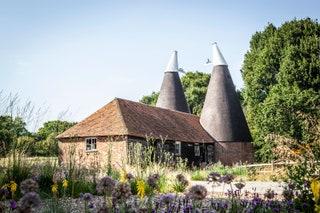
In England, the terroir is as complex as it is distinct, with south-facing slopes capturing the best of the limited sun, chalky soils in regions like Sussex mimicking the famed Champagne region of France, and the maritime climate influencing the acidity and aromatics of the grapes. As winemakers adapt to these conditions, they are able to craft wines that express the very essence of their origin.
Exploring the Top Vineyards of England
England may not be the first country one thinks of when it comes to wine production, but in recent years, its vineyards have gained international acclaim. From the rolling hills of the South Downs to the sunny climes of Cornwall, English vineyards have begun to rival their continental counterparts, producing world-class sparkling and still wines.
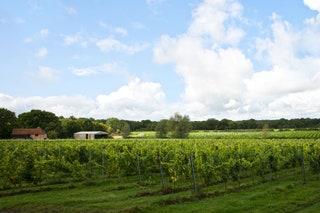
A journey through England’s wine country reveals a burgeoning industry that celebrates local grape varieties and cutting-edge production techniques. Here’s a guide to some of the top vineyards that enthusiasts wouldn't want to miss out on:
Vineyard | Location | Notable Wines | Visiting Experiences | Annual Production |
|---|---|---|---|---|
Gusbourne Estate | Kent | Sparkling Wines | Tours & Tastings | Approx. 100,000 bottles |
Ridgeview Wine Estate | Sussex | Sparkling Wines | Winery Events, Private Tours | Approx. 250,000 bottles |
Chapel Down | Kent | Sparkling & Still Wines | Restaurant, Tours & Tastings | Approx. 1 million bottles |
Camel Valley | Cornwall | Sparkling & Still Wines | Guided Tours, Balcony tastings | Data not available |
Step by Step Guide to a Vineyard Visit
Research and Select a Vineyard: Start by determining which types of wine you're most interested in and choose a vineyard that specializes in those varieties. Consider the amenities and experiences offered.
Make a Reservation: Many vineyards require advance booking for tours and tastings. Check their website or call ahead to secure your spot.
Plan Your Journey: Consider accommodation and transportation—some vineyards may be in rural areas with limited public transport options.
Dress Appropriately: Vineyard tours often include walks through the fields, so wear comfortable shoes and weather-appropriate clothing.
Arrive on Time: Ensure you arrive at the vineyard on time to maximize your experience. Late arrival may mean a shortened tour or missing out altogether.
Engage with the Hosts: Ask questions and show interest. The hosts will likely be passionate about their craft and happy to share knowledge.
Taste Mindfully: Take time to savor each tasting, noting the flavors and aromas that the terroir imparts on the wine. And importantly, pace yourself.
Purchase a Bottle (or a Few): If you enjoyed the wine, consider purchasing a bottle directly from the vineyard. It supports the winemakers and serves as a wonderful memento of your visit.
Leave a Review: Share your experience online. Positive reviews can significantly benefit small vineyards.
The Charm of Southern England's Wineries
Nestled in the Heart of West Sussex


West Sussex is home to some of the most enchanting vineyards in Southern England, where the mild climate and fertile soil create the perfect conditions for cultivating exceptional grapes. The region has seen a blossoming of wineries, each offering unique experiences for oenophiles and casual wine lovers alike.
Visitors can look forward to tasting sessions that showcase the local terroir, guided vineyard tours that reveal the winemaking process, and the chance to relax in luxurious accommodations amidst rolling hills and verdant vines.
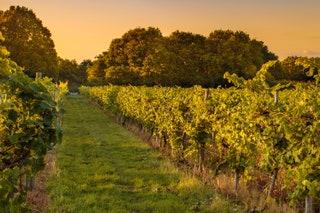
Luxury Accommodations Amongst the Vines
For those wishing to immerse themselves fully in the vinicultural experience, many wineries offer onsite accommodations that meld comfort with the rustic charm of the countryside. Examples of such offerings include raised lodges at Tinwood Estate, hop barn suites at Tillingham, and quaint shepherd's huts at Oxney Organic Estate.

A Winery for Every Tastes
Whether your preference leans toward a crisp Blanc de Blancs or a soft and fruity Pinot Noir Rosé, Southern England's vineyards cater to a broad spectrum of palates.
Noteworthy Wines and Wineries
Wine | Winery | Type | Link |
|---|---|---|---|
Balfour Brut Rosé | Hush Heath Estate | Sparkling Rosé | |
Blanc de Blancs | Giffords Hall | White | |
Pinot Noir Rosé Brut | Oxney Organic Estate | Sparkling Rosé | |
Pinot Noir Rosé | Tinwood Estate | Rosé |
Embarking on a Wine Lovers' Retreat
Select your preferred accommodation at the winery of your choice, such as the at Ryedale Vineyards or the hop barn at Tillingham.
Plan a visit to heritage sites such as the National Trust house Ickworth, located near several wineries, for a cultural excursion.
Enjoy a range of wines at the estates, taking note of their unique characteristics and how they reflect the terroir of Southern England.
Book tastings or tours ahead of your visit to ensure availability, particularly at exclusive estates like Gusbourne.
Conclude your trip with purchases of your favorite wines to bring a piece of Southern England's wineries home with you.
East Anglia's Vinicultural Hidden Gems
Pristinely nestled in the charming countryside of the United Kingdom, East Anglia's viniculture is a secret waiting to be discovered by wine enthusiasts and travelers alike. This region, abundant in verdant vineyards and rich terroirs, brings forth a bouquet of boutique wines that tell a story with every glass.
Exploring the Landscape of Flavors
Each vineyard in East Anglia has its unique narrative crafted by the climate, soil, and passionate vintners. Whether it’s the crisp whites, refreshing rosés or the occasional bold reds, these wines speak to the connoisseur searching for something beyond the mainstream labels.
Immerse yourself in the tranquility of the vine-clad hills and let the subtle complexities of East Anglian wines surprise your palate. These hidden gems offer an array of tasting experiences, from rich and fruity to delicate and floral, all thanks to the region’s cool climate and expert wine-making.
The Signature Grapes of East Anglia
Grape Variety | Characteristics | Wine Style |
|---|---|---|
Bacchus | Aromatic, with notes of elderflower and gooseberry | Dry, Still Whites |
Pinot Noir | Red fruit flavors, versatile | Light Reds, Sparkling |
Chardonnay | Mineral-underpinned, often oaked | Sparkling, Some Chablis-style |
Seyval Blanc | High acidity, citrus notes | Sparkling, Dry Whites |
Visiting the Vineyards: A Step-by-Step Guide
Research and select the vineyards you'd like to visit based on your wine preferences.
Check the vineyards' visiting hours and if they require any advance bookings, especially for larger groups.
Plan your route - East Anglia's vineyards are spread out, so efficient route planning can maximize your visits.
Dress comfortably and appropriately for the weather, and consider footwear suitable for walking in the vineyards.
Learn as much as you can from the vintners and staff - they are a wealth of knowledge and often share interesting insights about their crafting process.
Finally, taste responsibly and consider purchasing some bottles to take home and share your vinicultural adventure with friends and family.
A Toast to Quality and Innovation
The wineries of East Anglia not only cherish their traditional practices but also embrace innovative techniques. This blend of old and new has given rise to exceptional quality wines that are gaining recognition in international circles. With each sip, you’ll find yourself tipping your hat to the mastery of these local artisans.
As you wind down your journey through these picturesque landscapes, let the dedication behind each vintage inspire you. East Anglia's wine region is a testament to the tenacity and creativity of its wine producers. Whether you're savoring a bottle against the backdrop of a setting sun or bringing it home, these wines are a perfect companion to cherish life's moments.
The Pioneers of English Wine Production in Kent
Kent, often referred to as the "Garden of England," has carved out a prestigious name for itself in English wine production. With its favorable climate and rich, fertile soil, this region has become a beacon for those passionate about viticulture and the fine art of winemaking. The pioneers of English wine have overcome the challenges posed by cooler temperatures to produce award-winning sparkling and still wines that rival those from traditional wine countries.
The dedication to sustainable farming and innovative techniques has seen a remarkable growth in quality and popularity of Kentish wines, solidifying the region's position on the wine-lover's map. Wineries such as Chapel Down, Biddenden, and Gusbourne have become household names, each with their own unique story of how they've contributed to the rise of English wine.
Exploring the vineyards of Kent not only offers the opportunity to taste exquisite wines but also to immerse oneself in the rich history and beautiful landscapes that envelope this area. The hospitable wine estates often include guided tours, tastings, and even dining options alongside the picturesque vines.
Wales: A Journey Through Its Majestic Vineyards
The Welsh wine scene, while newer to the stage than Kent's, is no less impressive with its panoramic views and passionate winemakers. Set against a backdrop of scenic hills and clear waters, Wales's vineyards offer a tranquil escape and an authentic wine tasting experience. Pioneering vines have found their home among the ancient landscapes, benefiting from the unique microclimates that contribute to the signature flavor profiles of Welsh wines.
The variety of grape types that now thrive in Welsh soil is a testament to the skill and ardor of local vintners. Solaris, Seyval Blanc, and Pinot Noir are just a few varieties that one can encounter when meandering through Wales's vineyards. The presence of these grapes speaks volumes about the adaptive viticulture methods used in the demanding Welsh climate.
Embarking on a wine tour in Wales is not just about the libations but also about the cultural encounters and the tales that every vine and stone hold. It’s a journey that promises deep appreciation for the craft and a love affair with the lush Welsh countryside.
Must-Visit Vineyards in Kent & Wales | |||
Vineyard | Location | Wine Types | Experience |
|---|---|---|---|
Chapel Down | Kent | Sparkling, White, Rosé, Red | Tours, Tastings, Restaurant |
Biddenden | Kent | White, Rosé, Red | Self-Guided Tours, Shop |
Gusbourne | Kent | Sparkling, White | Guided Tours, Tastings |
Ancre Hill Estates | Wales | Sparkling, White, Rosé | Tours, Tastings, Accommodation |
Jabajak Vineyard | Wales | White, Rosé, Red | Restaurant, B&B, Weddings |
Step-by-Step Guide to Enjoying a Kent Vineyard Tour
Select Your Vineyard: Research and choose a vineyard in Kent that suits your wine preferences and desired experiences.
Book in Advance: Secure your spot by booking a tour or tasting in advance, especially during peak season or for popular estates like Chapel Down.
Plan Your Travel: Arrange your transportation to the vineyard, considering options like local taxis, public transport, or a designated driver for safety.
Dress Accordingly: Ensure you wear comfortable clothing and shoes suitable for walking through vineyards and potentially uneven terrain.
Engage with the Experts: Take the opportunity to speak with the vineyard staff and winemakers; their insights will enhance your understanding and appreciation of their craft.
Savor the Experience: Take your time during the tasting sessions, immersing yourself fully in the various aromas and flavors, and don't forget to enjoy the views!
Whether you are a connoisseur or a casual enthusiast, the vineyards of Kent and Wales offer a bountiful adventure for the senses. Each vineyard with its distinctive charm invites you to explore its grounds, engage with its story, and taste its heart in the form of meticulously crafted wines. The journey through these vineyards is not merely about wine; it's an exploration of heritage, of passion, and of unparalleled landscape beauty.
The Emerging Stars of Welsh Viticulture
Deep in the heart of the rolling Welsh countryside, a quiet revolution has been taking root. The hills and valleys of Wales, once known more broadly for their industrial past, are now speckled with verdant vineyards. Thanks to a fortuitous blend of climate, soil, and passion, Welsh viticulture is on the rise, with winemakers creating award-winning wines that are gaining recognition both nationally and internationally.
With a climate that is surprisingly conducive to wine grape cultivation, Wales is seeing a growing number of vineyards flourishing. The moderate weather, ample rainfall, and fertile soils make for an excellent terroir that results in a range of distinctive wines. The rise of Welsh wines is not just an agricultural success story; it's a testament to the dedication and skill of local vintners.
Top Vineyards to Visit in Wales
The Welsh wine scene may still be budding, but there are already a number of standout vineyards for enthusiasts to visit. Each offers a unique glimpse into the world of Welsh wine production, along with the opportunity to taste and purchase their exquisite varieties.
Vineyard | Location | Popular for | Visitors' Experience |
|---|---|---|---|
Ancre Hill Estates | Monmouthshire | Sparkling Wines | Tours & Tastings |
White Castle Vineyard | Abergavenny | Red Wines | Vineyard Tours |
Glyndwr Vineyard | Vale of Glamorgan | White Wines | Wine Tastings |
Jabajak Vineyard | Carmarthenshire | Hybrids | Dining & Accommodation |
Wine Tasting Tips for Beginners
For many, the idea of a wine-tasting may seem intimidating, but it needn't be. Here's a simple guide to help you savor the experience:
Look: Observe the color and clarity of the wine. Tilt your glass against a white background to appreciate the true color.
Swirl: Swirl the wine gently in your glass to release its aromatic compounds.
Smell: Put your nose into the glass and take a deep sniff to identify the various scents. Try to pick out different fruits, spices, or floral notes.
Sip: Take a small sip and let the wine roll around your mouth before swallowing. Think about the texture, taste, and aftertaste.
Savor: Enjoy the overall experience and reflect on your personal impressions of the wine.
Welsh Wine in International Competitions
Welsh wines have started to cause quite a stir in international wine competitions. Their unique characteristics have garnered attention and accolades, solidifying Wales’ position on the wine world map. Vintages from Ancre Hill Estates, for example, have won awards at prestigious events like the Decanter World Wine Awards, demonstrating that Welsh viticulture is capable of producing world-class wines.
The success of Welsh wines in these competitions is paving the way for local vineyards to expand their reach and share their craft with a broader audience. It's a promising sign for the industry and a delicious revelation for wine lovers exploring new and unexpected terroirs.
A Fusion of Tradition and Innovation in Welsh Winemaking
Wales, with its lush valleys and ancient landscapes, is carving out a distinct niche in the winemaking world. Known for its verdant hills and historic fortresses, it might come as a surprise to many that Wales harbors a robust and innovative winemaking scene. This newfound tradition is creating a buzz with its blend of time-honored techniques and a willingness to experiment, capturing the attention of oenophiles across the globe.
The Welsh wineries are adept at navigating the local climates to grow a variety of grapes that thrive in cooler temperatures, infusing their wines with unique character and flavors. What's truly remarkable is how these estates are respecting winemaking traditions while simultaneously pushing the boundaries with modern methods and technology.
A Closer Look at Award-Winning Estates
Wales is home to a new generation of wineries, who are garnering international acclaim for their products. These award-winning estates exhibit the high quality and distinctive taste profiles that Welsh wines have to offer. Let's delve into several estates that exemplify the spirit of Welsh winemaking.
Ancre Hill Estates
Ancre Hill, located by the historic town of Monmouth, epitomizes innovation with its biodynamic practices. It produces a variety of wines, including sparkling wines that have earned them global recognition. The use of traditional methods in harmony with nature results in a sustainable ecosystem that is reflected in the quality of their wines.
Glyndwr Vineyard
As the oldest vineyard in Wales, Glyndwr proudly stands as a testament to the enduring legacy of Welsh wine. Over the decades, Glyndwr has refined its craft to produce an array of wines from reds to whites and sparkling, while maintaining the authenticity that has become synonymous with its brand. Their relentless pursuit of excellence has secured them a spot on many prestigious wine lists across the United Kingdom.
White Castle Vineyard
This family-owned gem in Abergavenny has adopted innovative techniques with a commitment to capturing the essence of Welsh terroir. Known for their Pinot noir and Regent wines, White Castle Vineyard has laid emphasis on quality, which has translated into numerous awards and accolades for their passionate endeavors in the art of winemaking.
Vineyard Name | Location | Grapes Grown | Specialties |
|---|---|---|---|
Ancre Hill Estates | Monmouth | Chardonnay, Pinot Noir | Sparkling Wines |
Glyndwr Vineyard | Vale of Glamorgan | Rondo, Seyval Blanc | Red, White, and Sparkling Wines |
White Castle Vineyard | Abergavenny | Pinot Noir, Regent | Red Wines |
These estates are just a snapshot of the burgeoning Welsh wine scene. A visit to these extraordinary vineyards unfolds as a journey through the sensory delights of the region's best grapes, made into wines with meticulous care and boundless passion. As the Welsh winemaking tradition continues to evolve, it embraces the dual legacy of respecting the past while fearlessly creating a new, exciting future for wine enthusiasts everywhere.
The Connoisseurs' Choice: Critically Acclaimed Vineyards
Welcome to the venerated world of critically acclaimed vineyards, an enchanting journey for wine aficionados and casual lovers of viticulture alike. The vineyards featured under this prestigious title are not just farms, but are sanctuaries where the art and science of winemaking converge, painstakingly nurtured to create the most exquisite wines.
These vineyards have been acknowledged by critics and connoisseurs for their exceptional quality, innovation, and dedication to craft. Each offers a unique terroir, a meticulous winemaking process, and an unwavering commitment to sustaining the land they so intelligently cultivate.
From the sun-kissed slopes of Napa Valley to the ancient vine rows in Tuscany, the critically acclaimed vineyards listed below assure an unmatched oenophilic experience. Prepare to embark on a sensorial expedition through some of the most storied landscapes in the world of wine.
Domaine de la Romanée-Conti – Burgundy, France
Quintessentially synonymous with utmost excellence in winemaking, Domaine de la Romanée-Conti, or DRC as it is affectionately known, sits at the apex of Burgundy's wine hierarchy. The vineyard sprawls elegantly across some of the most prized Grand Cru plots of Pinot Noir and Chardonnay, a testament to centuries of winemaking history and an unyielding pursuit of quality.
Opus One Winery – Napa Valley, USA
A testament to the harmonious marriage of Californian boldness and French finesse, Opus One is a joint venture between Baron Philippe de Rothschild of Château Mouton Rothschild and vintner Robert Mondavi. This Napa Valley jewel produces Bordeaux-style blends that have gained international acclaim for their elegance, complexity, and expression of the local terroir.
Penfolds – South Australia, Australia
Notably famous for its Grange, Australia’s most celebrated wine, Penfolds encapsulates a pioneering spirit intertwined with a rich heritage. Penfolds vineyards are spread across multiple regions, allowing for an exquisite palette of climates and soil types that contribute to a diverse portfolio that has continued to enchant the palates of critics and enthusiasts alike.
Some of the World's Finest Estates at a Glance:
Vineyard | Location | Notable Wines | Established | Acres |
|---|---|---|---|---|
Château Margaux | Bordeaux, France | Pavillon Rouge du Château Margaux, Margaux | 12th Century | 650 |
Tenuta San Guido | Tuscany, Italy | Sassicaia | 1840 | 3,716 |
Antinori | Tuscany, Italy | Tignanello, Solaia | 1385 | NA |
Vega Sicilia | Ribera del Duero, Spain | Unico, Valbuena | 1864 | 2,471 |
Estate Focus: Where Quality Meets Excellence
At the heart of every bottle of exceptional wine lies the spirit and passion of the estate that nurtures it. The perfect blend of tradition with innovation is what sets apart the truly great vineyards. Estate Focus tells the story of where meticulous farming practices, visionary winemaking, and a dedication to sustainability converge to create liquid artistry.
Distinguished Wines of the Year
This year's selection of distinguished wines highlights the extraordinary vintages that not only tantalize the palate but are a testimony to the mastery of winemaking. Each bottle has been handpicked for its complexity, balance, and ability to communicate the essence of its terroir.
Table 1: Award-Winning Wines Selection | ||||
Wine | Varietal | Vintage | Awards | Tasting Notes |
|---|---|---|---|---|
Chateau Prestige | Cabernet Sauvignon | 2018 | Wine of the Year | Rich blackberry notes with a hint of oak. |
Domaine de la Rivière | Pinot Noir | 2019 | Best in Show | Elegant cherry blossom with silky tannins. |
Villa Harmonie | Chardonnay | 2020 | Gold Medal | Vibrant citrus zest with a creamy finish. |
Ridgeview Crest | Syrah | 2017 | Critics' Choice | Peppery notes with a velvety mouthfeel. |
Visitors' Delight: Best Vineyard Experiences
Wine lovers and adventurers alike seek out vineyard experiences that are unique, immersive, and memorable. From the rolling hills of sun-drenched vineyards to the intimate cellars housing barrels of aging wine, these are experiences that entwine the senses and deepen one's appreciation of the winemaking art form.
Step Into the Vines
Begin your journey with a guided stroll among the vines. Learn step by step about the delicate process of vine cultivation:
Choosing the Plot: Understand the importance of terroir as you discover how soil, climate, and topography affect the grapes.
Grape Varieties: Explore the different grape varieties grown and how each is uniquely suited to its environment.
Seasonal Activity: Depending on the time of year, you might witness pruning, harvesting, or planting, key to vine health and wine quality.
Sustainable Techniques: Observe the advanced, eco-friendly practices that protect the land and foster biodiversity.
The Cellar Experience
Delve deep into the cellar to see where the magic happens. In the cool, dimly-lit spaces, barrels align like silent sentinels of time, each playing a crucial role in the aging process:
Barrel Selection: Learn about the types of barrels used and how they impart flavors and characteristics to the wine.
Aging Process: Discover the careful balance of time and conditions that develop a wine's unique profile.
Blending Secrets: Uncover the art of blending different wines to achieve the perfect harmony for the estate's signature bottles.
Tasting Straight from the Barrel: Sample wines in their aging state for a rare glimpse into their evolution.
Pairing Scenery and Savor: Vineyard Tours and Tastings
Embarking on a vineyard tour offers an immersive experience that combines the allure of rolling vine-laden landscapes with the sophistication of wine tasting. These adventures provide insight into the meticulous art of winemaking, from the soil composition and climate to the harvesting and aging processes that develop each bottle's unique flavor profile.
As you sip on robust reds, crisp whites, or bubbly champagnes, you not only get to appreciate the present allure of the vineyard but also the deep-rooted traditions and innovations that define each vintner's craft. It's a sensory journey that inspires both the palate and the mind, often leaving visitors with a newfound appreciation for the complexities and subtleties of fine wines.
Must-Visit Vineyards for the Ultimate Tasting Experience
While vineyards abound across the globe, each offering its distinct charms and flavors, there are those that stand out for their exceptional tasting experiences. These must-visit vineyards are renowned for their stunning backdrops, exceptional wines, and the resonant stories behind their labels.
Vineyard | Location | Notable Wines | Amenities | Tour Availability |
|---|---|---|---|---|
Chateau Elegance | Bordeaux, France | Merlot, Cabernet Sauvignon | Luxury Lodging | Year-Round |
Vista Hills | Napa Valley, USA | Pinot Noir, Chardonnay | Spa Services | Seasonal |
Valle del Cielo | Tuscany, Italy | Sangiovese, Super Tuscans | Fine Dining | Spring - Fall |
Symmetric Winery | Barossa Valley, Australia | Syrah, Grenache | Picnics with Views | Year-Round |
These vineyards not only exemplify the world-class standard in wine production but also offer an extraordinary setting in which to enjoy them. Whether overlooking sun-kissed valleys or nestled within historic cellars, each location provides a tour de force of viticultural magic.
Step-By-Step Guide to a Vineyard Tour
Planning Your Visit: Begin by researching vineyards in your area of interest and their seasonal offerings. Few experiences compare to a vineyard in full bloom or the bustling activity of a harvest.
Booking Your Tour: Most vineyards require reservations for tours and tastings. Reach out well in advance to ensure your spot, especially during peak times such as weekends or harvest season.
Arriving with Etiquette: Dress appropriately for the occasion with comfortable yet tasteful attire. Remember to arrive on time or slightly early to respect the schedule of the tours.
Engaging Your Senses: Prepare to immerse yourself. Feel the climate, see the terrain, smell the oak of the barrels, taste the nuanced notes of each wine, and listen to the vintner's insights.
Asking Questions: Engage with your guide and don't hesitate to ask questions. Vineyard tours are an opportunity to expand your knowledge and deepen your appreciation for wine.
Whether you're an avid connoisseur or a casual enthusiast, a vineyard tour is a transformative experience that caters to all. It's a tale of passion, patience, and the pursuit of perfection – all bottled up for you to uncork and explore.
Wine Tourism: Accommodations and Local Cuisine
For the discerning traveler, a wine tourism adventure offers far more than the chance to savor a good vintage. It's about the full-bodied experience, which includes staying at charming accommodations nestled among the vineyards and indulging in the local cuisine that complements the region's wines. Many wineries have expanded to include on-site lodging options, ranging from luxurious estates to cozy, family-run bed and breakfasts. Staying amidst the vines allows tourists to fully immerse themselves in the agricultural tapestry of the land.
The local cuisine, often a blend of traditional recipes passed down through generations and innovative dishes created by avant-garde chefs, is typically designed to pair perfectly with the winery's offerings. Cooking classes and guided food tours can offer deep dives into the culinary heritage of the region, affording a delightful, palate-pleasing education to accompany every sip of wine.
Eco-Conscious and Sustainable Winemaking
Eco-consciousness is becoming more than a trend; it's a fundamental approach many wineries are adopting to protect the environment and produce higher quality wines. Sustainable winemaking practices aim to balance what is taken from the earth with what is returned to it, ensuring a productive vineyard for generations. Methods often include water conservation, use of renewable energy, and fostering biodiversity.
Many vineyards offer tours that focus on their sustainable practices, educating visitors on the winemaking process from grape to glass while emphasizing their ecological stewardship. These tours can provide insight into the unique challenges of sustainable viticulture and how these practices contribute to the complexity and the narrative of the wines produced.
Key Aspects of Sustainable Winemaking
Aspect | Benefits | Examples |
|---|---|---|
Soil Management | Preserves soil health; reduces erosion | Cover cropping; reduced tillage |
Water Conservation | Minimizes water usage; improves efficiency | Drip irrigation; rainwater harvesting |
Energy Conservation | Lowers carbon footprint; reduces costs | Solar panels; energy-efficient equipment |
Biodiversity | Encourages a healthy ecosystem; natural pest control | Planting wildflowers; integrating livestock |
Exploring Sustainable Winemaking: A Step-by-Step Guide
Begin your tour with an introduction to the vineyard's history and its commitment to sustainability.
Walk the vineyard rows, observe the cover crops, and discuss soil management techniques in use.
Learn about the water conservation efforts, such as clever irrigation systems that ensure every drop counts.
Visit the facilities powered by renewable energy sources and discover how the winery reduces its carbon footprint.
End your tour with a wine tasting session, where you can taste the fruits of eco-friendly labor.
Leaders in Green Winemaking Practices
As the sun casts its golden rays over vine-clad hillsides, there’s more behind the serene beauty of some of the world's vineyards than meets the eye. Critical to the health of the planet, many winemakers have taken the mantle of sustainability, crafting exquisite wines while nurturing the earth. These vintners are not just making wine; they're leading by example in green winemaking practices. Let's explore the establishments at the forefront of environmentally-friendly wine production.
Biodynamic Vineyards: Harmony Between Earth and Vines
Biodynamic winemaking takes organic farming to a cosmic level, syncing with the rhythm of the earth and the lunar calendar. These vineyards are self-sustained, relying on natural compost, herbal sprays, and the animals that roam freely among the vines. The result is a truly holistic approach to winemaking, with each bottle holding the essence of the land from which it came.
Solar-Powered Wineries: Sipping Sunshine in Every Glass
The brilliance of the sun not only ripens the grapes but also powers some of the world's most innovative wineries. Solar panels gleam among the greenery, a testament to the commitment to renewable energy. This clean power reduces the carbon footprint of each bottle, offering a toast to sustainability with every sip.
Water Conservation: The Purity of Rain in Your Glass
In regions where water is as precious as the finest vintage, winemaking pioneers are devoted to water conservation. Sophisticated rainwater harvesting systems and meticulous drip irrigation practices ensure that every drop is used judiciously. The passion for preservation is clear in the pure taste of wines crafted with conservation at their core.
The Leaders of Sustainable Winemaking
Winery | Location | Sustainability Practices | Notable Awards |
|---|---|---|---|
Domaine de la Romanée-Conti | Burgundy, France | Biodynamic farming | Wine & Spirits Top 100 Wineries 2020 |
Chateau Pontet-Canet | Bordeaux, France | Organic and biodynamic farming | Wine Spectator Grand Award |
Benziger Family Winery | Sonoma, CA, USA | Biodynamic, organic, and sustainable farming | Greenopia 4 Leaves Award |
Tablas Creek Vineyard | Paso Robles, CA, USA | Organic farming, solar power, dry farming | California Green Medal |
Frog's Leap Winery | Napa Valley, CA, USA | Organic farming, geothermal energy | Green Medal Leader Award |
Torres | Catalonia, Spain | Carbon footprint reduction initiatives | Drinks Business Green Awards 2020 |
Nikolaihof | Wachau, Austria | Biodynamic farming | International Wine Challenge Biodynamic Trophy |
Visiting Green Wineries: A Step by Step Guide
Embark on an eco-conscious wine adventure by taking a step by step journey through some of the green winemaking leaders’ estates. Here’s how you can plan your visit:
Research the Winery: Study the winery’s sustainability practices and determine what aspects of green winemaking interest you the most.
Book Your Visit: Many sustainable wineries offer tours by appointment. Reserve your spot in advance to ensure availability.
Choose Your Transportation Wisely: Opt for eco-friendly travel options such as electric vehicles, bicycles, or even group tours to reduce your carbon footprint.
Prepare for the Experience: Dress appropriately for a vineyard visit, and consider bringing a camera to capture the beauty and innovation of the green practices in action.
Participate in Tasting Sessions: Take part in wine tastings to fully appreciate the flavors and quality that sustainable winemaking can produce.
Engage with the Experts: Don’t hesitate to ask questions. Winemakers and staff are usually passionate about their stewardship of the land and eager to share their knowledge.
Support the Cause: Purchase a bottle, or several, to bring home a tangible memory of your visit and to support sustainable winemaking practices.
Following these steps not only deepens your understanding of eco-friendly winemaking but also allows you to indulge in the pleasures of wine with a clear conscience. The earthy notes in your glass tell a tale of stewardship, a reminder that fine wine and a healthier planet can go hand in hand.
Organic Vineyards: Pioneering a Greener Future
Amidst the verdant hills and sun-drenched valleys, a quiet revolution is underway. The world of viticulture is evolving, with organic vineyards leading the charge. These trailblazers in sustainable agriculture are not only producing exquisite wines but are also guardians of the environment, applying practices that nurture the land and ensure its bounty for future generations. Their commitment to organic farming methods is a testament to their dedication to both superior quality and ecological responsibility.
Investing in the Future: Innovations and Expansion
The journey toward creating a more sustainable future in wine production is marked by both innovations in agricultural practices and strategic expansion. Organic vineyards are leveraging the latest eco-friendly technologies while spreading their roots to new terroirs, seeking conditions that allow their vines to thrive naturally. This dedication to organic growth does more than enhance the quality of the wine—it fosters biodiversity and supports ecosystems.
The Vanguard of Viticulture
Organic vineyards stand at the forefront of an agricultural vanguard, phasing out synthetic pesticides and fertilizers in favor of natural alternatives. Compost, cover cropping, and the introduction of beneficial insects are just a few of the tools they employ to maintain the health and balance of the vineyard. By eschewing chemicals, these pioneers are preserving the unique flavors and characteristics inherent in their land, allowing wine enthusiasts to experience the true essence of the terroir.
Resilience Through Biodiversity
Biodiversity is a cornerstone of organic viticulture. Diverse ecosystems are more resilient to pests, diseases, and climate variations, making them essential to the longevity of a vineyard. Organic vintners often plant a mix of crops among their vines, and some even integrate livestock to naturally fertilize the soil and control weeds. This kind of polyculture farming creates a rich tapestry of life that not only supports the vines but also encourages a vibrant habitat for local flora and fauna.
Investment in Renewable Energy
As part of their commitment to sustainability, many organic vineyards are also investing in renewable energy sources. Solar panels and wind turbines are becoming common sights amidst the rows of grapevines, silently generating the power needed to run irrigation systems and processing equipment. This not only reduces the carbon footprint of the vineyard but also insulates it from the volatility of energy markets, ensuring a greener and more cost-effective operation.
Expansion: Merging Tradition and Innovation
The growing interest in organic wines has encouraged many vintners to adopt organic practices and expand their operations. This expansion is not a race for quantity but a carefully considered process that merges traditional winemaking techniques with innovative organic practices. The result is a new breed of wines, ones that are deeply connected to their environment yet poised to meet the demands of an eco-conscious consumer base.
Organic Viticulture by the Numbers
Parameter | Conventional Vineyard | Organic Vineyard |
|---|---|---|
Pesticide Use | Synthetic | None/Biological |
Soil Fertility | Chemical Fertilizers | Compost & Crop Rotation |
Climate Impact | Higher Carbon Footprint | Reduced Carbon Footprint |
Biodiversity | Low | High |
Energy Source | Conventional | Renewable |
Expansion Method | Intensive | Sustainable/Integrated |
The Road to an Organic Tomorrow
To describe the journey of organic vineyards, one must speak of both vision and tenacity. It begins with recognizing the inherent value in the land and extends to adopting advancements that honor the planet. Each step along the path to organic certification is taken with intention, from improving soil health to planting vines that flourish without synthetic aids. As the world awakens to the importance of sustainable practices, organic vineyards will continue to lead by example, crafting wines that not only delight the palate but also protect the Earth.
Emerging Technologies in Viticulture
The world of wine is experiencing a technological revolution, with innovations that enhance vineyard productivity and grape quality while also streamlining winemaking processes. These emerging technologies reflect an industry increasingly focused on sustainability, precision, and data-driven decision-making. Viticulturists and winemakers are now equipped with tools that allow for greater control over the complex ecosystem that is a vineyard.
Drones and Aerial Imaging
Drones equipped with specialized sensors have taken to the skies above vineyards, offering a bird's-eye view of the health and vigor of the vines. These flying marvels capture a range of data, from water stress levels to nutrient distribution, allowing winemakers to make informed decisions about irrigation and fertilization. The visual perspective from drones also aids in detecting disease early, potentially saving entire crops from devastation.
Robotics and Automation
The introduction of robotics into viticulture has streamlined many labor-intensive tasks. Automated pruners, leaf removers, and harvesters roam the rows of vines with efficiency and precision. This mechanization not only reduces labor costs but also minimizes the impact on the plants, leading to less stress and potentially higher-quality fruit.
Precision Viticulture
Precision viticulture harnesses the power of GPS and GIS technologies to analyze and manage vineyards at a micro-scale. With the ability to monitor individual vines, winemakers can tailor their practices to the specific needs of each section of their vineyard. This meticulous attention to detail ensures optimal growth conditions for each grape varietal.
Smart Sensors and IoT
In the interconnected vineyard of tomorrow, smart sensors collect critical data on soil moisture, temperature, and vine health, transmitting it to an integrated network. The Internet of Things (IoT) allows for this information to be processed in real-time, enabling viticulturists to make swift decisions that align closely with the ever-changing conditions of their terroir.
Winemaking Techniques Enhanced by Tech
Once grapes reach the cellar, technology continues to influence their transformation into wine. Innovative fermentation tanks monitor and regulate temperature to the exact degree, ensuring a perfect environment for yeast to work its magic. Optical sorting technologies ensure that only the best grapes make it into the final blend, promising a higher quality wine without the variability of human sorting.
Data-Driven Insights: Technology at the Managerial Level
At the managerial level, data analytics platforms compile information from various technological sources, offering a comprehensive overview of vineyard and cellar operations. This data is invaluable, not just for day-to-day management but also for long-term strategic planning. The insights gained can lead to breakthroughs in quality, yield, and sustainable practices.
Table of Technological Advancements in Viticulture
Technology | Application | Benefits |
|---|---|---|
Drones | Aerial surveillance of vineyard health | Early detection of diseases, precise data on vine vigor |
Robotics | Automated pruning and harvesting | Labour cost reduction, consistency, and precision |
Precision Viticulture | Micro-scale vineyard management | Optimal conditions for each grape varietal |
Smart Sensors / IoT | Real-time monitoring of vine conditions | Swift and accurate response to environmental changes |
Data Analytics | Compilation of viticultural data for decision-making | Enhanced quality control and strategic planning |
How to Implement Precision Viticulture: A Step-by-Step Guide
Assess the vineyard layout and divide it into manageable zones based on micro-climate, soil composition, and grape variety.
Equip the vineyard with GPS technology to map out the precise location of each